Four steps from draw request to release.
- 01
Send the draw link
Add the loan and its rehab budget once. Each draw request sends the borrower a capture link.
- 02
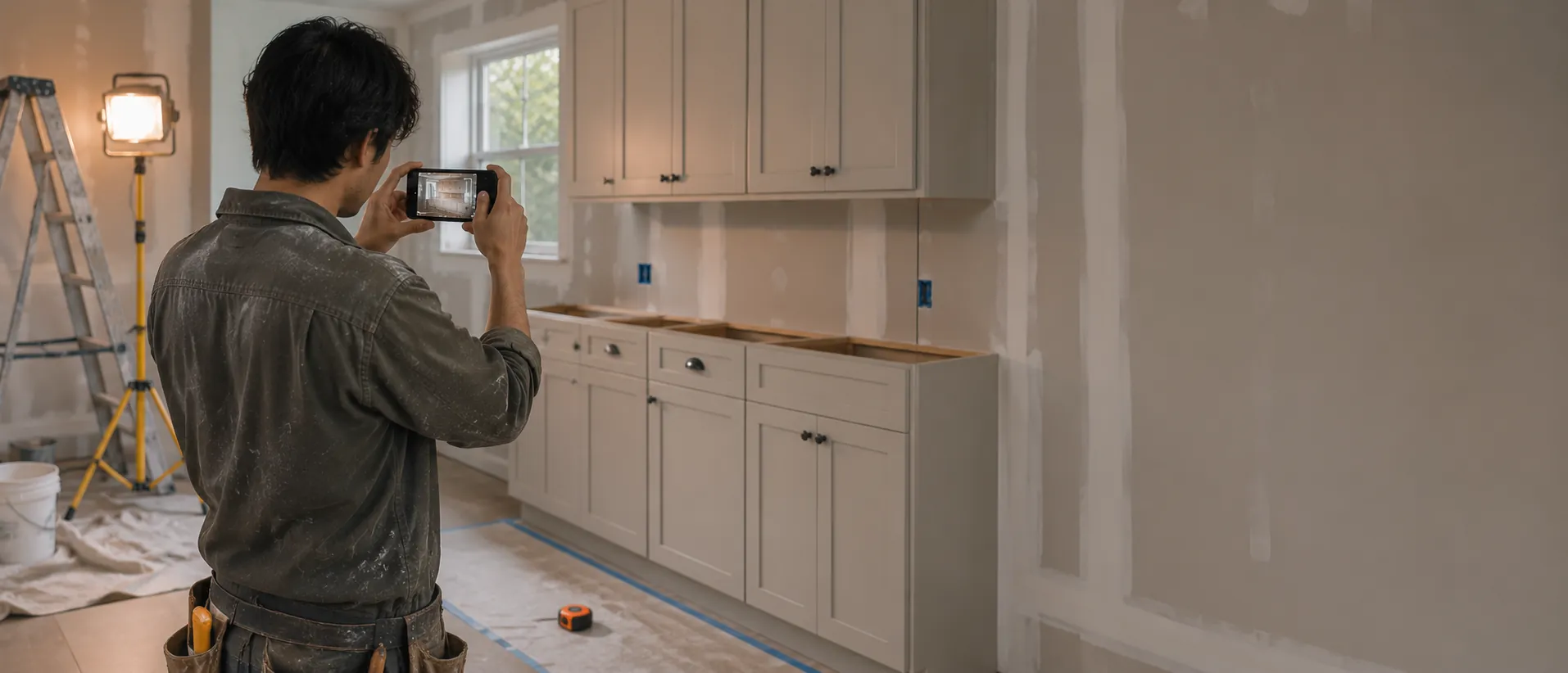
Borrower shoots each line item
Guided shots for kitchen, bath, roof and the rest, captured live at the property inside the draw window.
- 03
Teleport verifies
Location and time checks, reused-photo screening and progress that only moves forward. Models estimate; a versioned policy and human reviewers decide.
- 04
You get a decision and a receipt
Accept, review or reject per line item. Weak evidence or a large draw triggers an independent capture visit.
A loan file that explains every release.
- A decision for each budget line, not just the whole draw
- A tamper-evident receipt per draw that investors and auditors can check themselves
- Fraud screening for old photos and the wrong property
- Escalation to independent capture, or a licensed inspector for large and final draws
- CSV export for your loan servicing system
- Proves
- Each stage is visually present per plan, captured at the property inside the draw window, with photos that are new for this draw.
- What we won't do
- Code compliance or build quality. That scope statement is printed on every receipt.
Start with one market. Measure it against your baseline.
- Paid pilot · 60–90 days
- Every draw in one market. Pilot fee of $2,500, credited against usage. Weekly report with receipt links.
- $75 per draw
- Guided borrower capture and verification. Independent capture billed only when triggered. Invoiced in USD. No crypto needed.
- What we measure
- Median days from request to release · Inspector visits and spend · Disputed releases
Pilot prices are starting points, quoted in USD. See the full pilot page
Questions lenders ask
What does the borrower need to do?
Open the link we send and follow the shot list for each line item. Capture takes place at the property, so it's checked for location and time.
Does this replace our inspectors?
For routine draws, mostly. You set the thresholds: weak evidence triggers an independent capture visit, and large or final draws can still add a licensed inspector and human review.
Who makes the decision, a model?
Models estimate. A versioned Teleport policy decides whether to accept, review or reject, and people review anything uncertain. Every receipt names the policy and version used.
What happens to the photos?
They stay private to you. The public receipt shows the decision and how it was reached, never raw images, names or the property address.
For developers.
The same template is in the API and the MCP server. Preview, subject to change.
Template · rehab-drawsTAP v0.2 · preview
GET /api/v1/tap/templates/rehab-draws

# MCP: ask your agent
"Create a Teleport task from the rehab-draws template for <address>."Related.
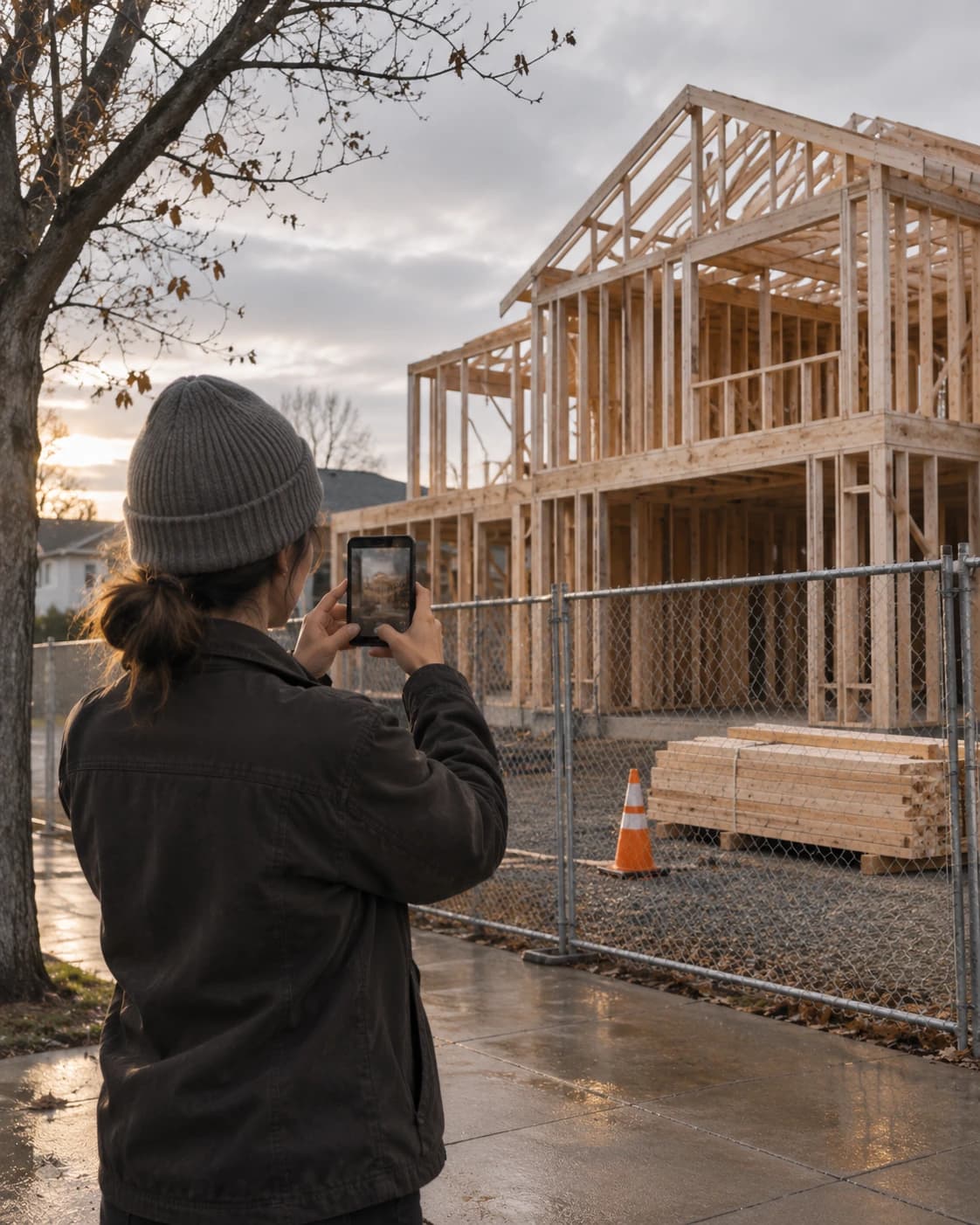 LendingNo proof, no draw.A lender releases each construction payment only once the stage is verified on site, by someone with no stake in the builder.Read the worked example
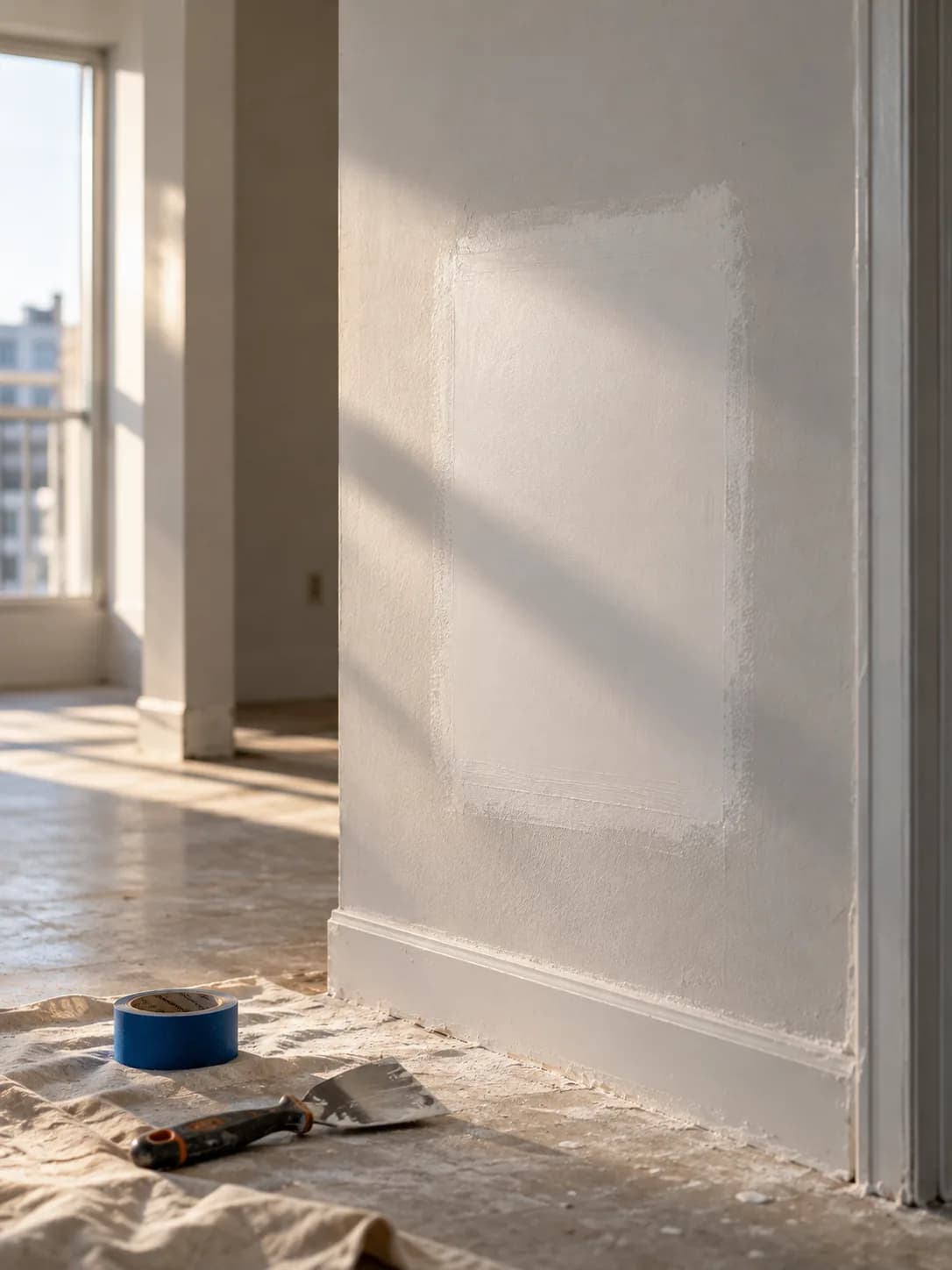 Facilities & propertyDone, with a receipt.A contractor's photos of a repair are thin, so someone nearby re-shoots the wall for $9 and the proof is upgraded to Verified.Read the worked example
Template
Post this task in a minute.
The template is the version a person with a phone can do today. The steps, the photos and the rules the reviewer checks are filled in, and you can change any of them. Say where, then send the capture link.
Book a pilot
Faster draws keep good borrowers coming back.
Tell us about your book. We'll set up a pilot in one market and baseline your current release time before the first draw.